
Find out about Unity
Unity offers practical spiritual teachings that empower abundant and meaningful living.
In Unity, we feel a sacred responsibility, individually and collectively, to make a positive difference through personal example and active service in our ministries, our communities and our world. We see all people as individual expressions of God and honour their divine nature. Our service to others reminds us we are all one, and we embrace the rich diversity of creation — seeing what unites us.
What does Unity teach?
Unity teaches that each person is a unique expression of God, created with sacred worth. Living from that awareness transforms our lives and the world.
Unity provides teachings that are spiritual, not religious. Love-based, not fear-based.
We respect all paths to God / Love / Life / Source / Spirit / the Law / [insert your own language].
Unity welcomes people from all religious traditions — or none. The spiritual path you choose is yours.
God
God is Spirit, the loving source of all that is. God is the only power, all good, all wisdom, everywhere present. God is divine energy that is continually creating, expressing, and sustaining all creation. In Unity, some other ways we speak of God are: life, light, love, substance, principle, law and universal mind.
Jesus
We believe Jesus was a man who expressed his divine potential and sought to show humankind how to express ours as well. We see Jesus as a master teacher of universal truths and as our way shower. In Unity, we use the term ‘the Christ’ to mean the divinity in all beings. Jesus is the great example of this Christ energy in expression.
What is Unity prayer?
Affirmative prayer is the highest form of creative thought. It includes the release of counterproductive, negative thoughts, then holding in mind statements of spiritual truth. In meditation, we experience the presence of God and align with our divine nature. Prayer and meditation heighten our awareness and thereby transform our lives.
Visit our growing prayer library. Also, learn about Unity’s international prayer ministry.
What next?
Take a look at resources for spiritual development. These include our events and newsletters, an extensive range of classes offered by the Unity National School Australasia, Unity publications and online guides to Unity teachings and meditation. We hold a monthly Sunday service, in Auckland and on Zoom. If you live in or around Tauranga or Wellington, there are Unity groups there.
Sign up for our newsletters to stay in touch. Contact us at any time.
Five basic principles
Unity encourages the application of five spiritual principles in daily life, emphasizing the importance of love, compassion, forgiveness and positive thinking. Note that Unity consists of a network of independent spiritual centres globally. Each Unity community may interpret and express these principles in its own unique way while remaining aligned with the core teachings of Unity.
God is everywhere and always present. This divine energy underlies and animates all existence.
Human beings are innately good because they are expressions of Spirit.
Our thoughts have creative power to influence events and determine our experiences.
Prayer and meditation connect and align us to our own spiritual nature and our oneness with God.
It is not enough to understand spiritual principles. We must apply them in all areas of life and incorporate them into our thoughts, words, and actions.
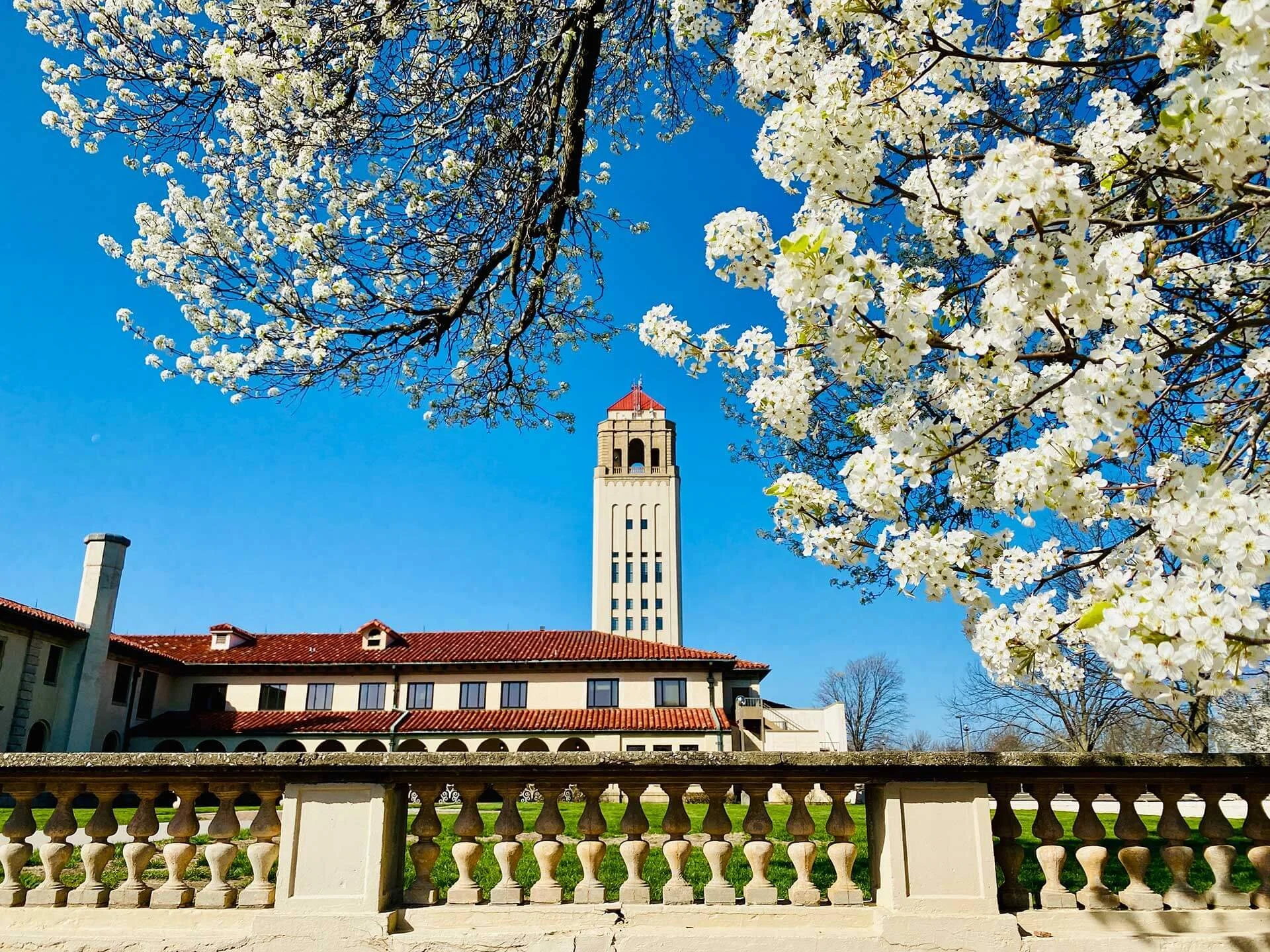
The origins of Unity in the late 1800s are a remarkable story of healing and transformation. Myrtle Fillmore, one of Unity’s founders, cured herself of tuberculosis through spiritual practices and elevated consciousness. Inspired by her healing, her husband Charles studied her methods to achieve a similar awakening. Together, they laid the foundation for what would become Unity.
The Fillmores did not intend to create a new church. They aimed to share the principles of healing and spiritual discovery. They launched Unity as a correspondence course. It later evolved into healing centres for profound spiritual transformation and divine exploration. They believed that by learning to heal as Jesus did, individuals would naturally embody Unity's core principles. Students would take these teachings into their homes, workplaces, churches and communities, and live the principles in everyday life.
Charles and Myrtle resisted traditional church structures for as long as possible, prioritizing flexibility, innovation and personal spiritual growth rather than rigid systems. Although over time Unity students formed spiritual centres and churches, the focus remained on exploration and living out spiritual truths.
Charles Fillmore was a trailblazer. As early as 1916, he explored concepts that were ahead of his time: quantum physics, theosophy, reincarnation, metaphysical Bible interpretation, the divine feminine and even aspects of pagan rituals. These explorations reflected his pioneering spirit and openness to spiritual innovation.
One profound insight came during a severe illness, when Charles realized that humanity could not fully progress until the divine feminine was embraced. This belief was enshrined in Unity's Statement of Faith as Principle 16, highlighting the transformative power of balance and inclusion.
Charles often expressed his adventurous approach to spirituality. In his famous tagline, ‘I reserve the right to change my mind.’ He understood that growth, change and evolution are essential to spiritual life. Both Charles and Myrtle were spiritual adventurers, unafraid to challenge traditions, expand horizons and explore new ideas, all while maintaining a high level of Christ consciousness.
This spirit of curiosity, inspiration, connection and innovation remains at the heart of Unity teachings. As we continue this legacy in New Zealand, we strive to create a space where spiritual exploration thrives and the transformative vision of the Fillmores lives on.
Read more about the international Unity movement.

Myrtle Fillmore
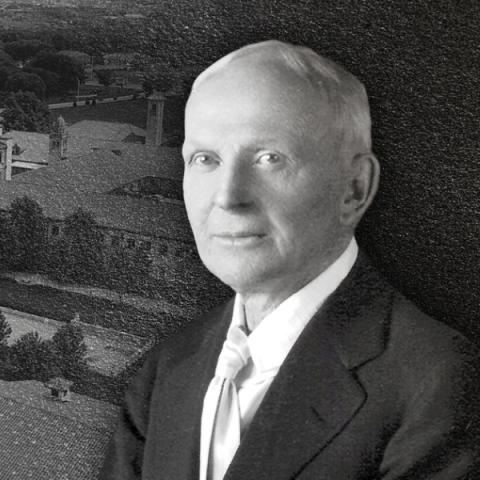
Charles Fillmore